
Following Facilities and Services are provided for the patients at ALRC-
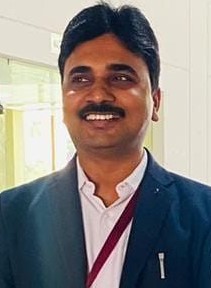
Dr Ranjeet Kumar
Doctor oneeee
Phd. in Spine Prosthotics and Orthotics
Email : wm@dsmnru.com
Phone. no. 9090909090

Mr Sant Prakash Gautam
DoctorOne
Phd.
Email : santprakash@gmail.com
Phone. no. 9090909090

Mr. Kumarpal Singh
Doctor1
Phd.
Email : a@gmail.com
Phone. no. 9090909090

Ms. Gargi Khare
Doctor1
Phd.
Email : a@gmail.com
Phone. no. 9090909090

Mr. Sthir Pranjyan Biswal
Doctor1
Phd.
Email : a@gmail.com
Phone. no. 9090909090

Ms. Rohina kumari
Doctor1
Phd.
Email : a@gmail.com
Phone. no. 9090909090

Mr. Raj Kamal
Doctor1
Phd.
Email : a@gmail.com
Phone. no. 9090909090

Ms. Anupriya Tripathi
Doctor1
Phd.
Email : a@gmail.com
Phone. no. 9090909090
Lower Extremity Orthoses
- Lower extremity orthotics are devices designed to support, align, or assist the lower limbs, including the feet, ankles, knees, and hips. They are commonly used to address various conditions such as foot drop, ankle instability, knee osteoarthritis, and hip dysplasia, among others. Lower extremity orthotics can help improve walking mechanics, reduce pain, prevent injuries, and provide stability during movement.
- Foot Orthoses
- Diabetic Foot Orthoses
- Ankle Foot Orthoses
- Knee Ankle Foot Orthoses
- Hip Knee Ankle Foot Orthoses
Upper Extremity Orthoses and Splinting
These orthotic devices can be used for various purposes such as immobilization, correction of deformities, stabilization after injury or surgery, or to assist with movement and function in individuals with disabilities or neuromuscular conditions. Examples include wrist splints, elbow braces, shoulder slings, and finger splints.
Spinal Orthoses
- Spinal orthoses, are devices designed to support and stabilize and correct and prevent spinal deformities of the spine. They are commonly used to treat various spinal conditions, including scoliosis, kyphosis, lordosis, spinal fractures, and post-surgical stabilization Osteoporosis, Spinal Tumor. Spinal orthotics can help improve posture, reduce pain, and prevent further progression of spinal deformities. They come in different types, ranging from soft elastic braces to rigid plastic or metal braces, and are typically custom-fitted to the individual's body.
- Head cervical orthoses
- Cervical orthosis
- Cervicothoracolumbosacral orthoses
- Thoracolumbosacral orthoses
- Lumbosacral orthoses
- Sacroiliac orthoses
- Cranial Orthoses

Mr. Sant Prakash Gautam
Doctor1
Phd.
Email : a@gmail.com
Phone. no. 9090909090

Mr. Kumarpal Singh
Doctor1
Phd.
Email : a@gmail.com
Phone. no. 9090909090

Ms. Gargi Khare
Doctor1
Phd.
Email : a@gmail.com
Phone. no. 9090909090

Mr. Sthir Pranjyan Biswal
Doctor1
Phd.
Email : a@gmail.com
Phone. no. 9090909090

Mr. Raj Kamal
Doctor1
Phd.
Email : a@gmail.com
Phone. no. 9090909090

Ms. Anupriya Tripathi
Doctor1
Phd.
Email : a@gmail.com
Phone. no. 9090909090

Ms. Srishti Singh
Doctor1
Phd.
Email : a@gmail.com
Phone. no. 9090909090
- Upper extremity prosthetics can range from simple cosmetic prostheses that provide a natural appearance to more advanced myoelectric or bionic prostheses that use electronic sensors and motors to mimic natural movements and functions. The choice of prosthetic device depends on factors such as the level of amputation, the individual's lifestyle, occupation, and functional goals.
- Finger prostheses
- Partial hand prostheses
- Transradial prostheses
- Trans-humeral prostheses
- Shoulder disarticulation prostheses
- Lower extremity prosthetics are artificial devices designed to replace or augment the function of missing or partially missing lower limbs, including feet, ankles, legs, and hips. These prosthetic devices are custom-designed to meet the specific needs and requirements of individuals with limb loss or limb differences.
- Partial foot prostheses
- Symes prostheses
- Trans tibial prostheses
- Knee disarticulation prostheses
- Transfemoral prostheses
- Hip disarticulation prostheses
Prosthetic services involve the assessment, design, fabrication, fitting, and adjustment of prosthetic limbs or devices to help individuals who have lost body part/limb loss or limb absence. These devices, known as prostheses, are designed to replace the function and appearance of missing limbs, enhancing mobility, independence, and quality of life for the wearer. Prosthetic services are typically provided by prosthetists, who are healthcare professionals specialized in prosthetics.
Upper Extremity Prostheses
Lower Extremity Prostheses

Mr. Sant Prakash Gautam
Doctor1
Phd.
Email : a@gmail.com
Phone. no. 9090909090

Mr. Kumarpal Singh
Doctor1
Phd.
Email : a@gmail.com
Phone. no. 9090909090

Ms. Gargi Khare
Doctor1
Phd.
Email : a@gmail.com
Phone. no. 9090909090

Mr. Sthir Pranjyan Biswal
Doctor2
Phd.
Email : a@gmail.com
Phone. no. 9090909090

Mr Raj Kamal
DoctorTwo
Phd
Email : a@gmail.com
Phone. no. 9090909090

Ms Srishti Singh
Doctor two
Phd.
Email : ab@gmail.com
Phone. no. 9090909091
The goal of assistive technology services is to provide person with disabilities or impairments with a greater sense of independence, enhanced quality of life, and full participation in society. • Crutches • Walkers • Wheel chairs • Tricycles etc.

Mr. Vikas Kushwaha
Doctor1
Phd.
Email : a@gmail.com
Phone. no. 9090909090
low back pain, neck pain, sciatica, stiff joint, periarthritis of shoulder, osteoarthritis, Tennis Elbow, arthritic conditions, hand injury, amputee including sports injuries,Erb’s palsy, Myopathy, Congenital deformities, Cerebral palsy, Stroke, Spinal Cord Injury, Myopathy, Head Injury, Polyneuropathy, peripheral nerve injury, Parkinsonism, Hansen’s Disease, Ataxia are treated by mobilisation, manipulation, traction and electrotherapy, Normal Movement Therapy etc.

Ms. Neelam Singh
Doctor1
Phd.
Email : a@gmail.com
Phone. no. 9090909090
Psychological services are provided to the patients. The Psychology Unit provides counselling for parents, family members, caretakers of CP, MR, Autistic, ADHD & Multiple disabled children. The Unit also provides psychological services for Paraplegia, Hemiplegia, Accidental cases, Trauma cases, Amputee cases and other rehabilitation cases.